
Kolkata Municipal Corporation board dissolved, Smita Pandey takes charge as 'administrator'
.gif)

Download Mobile App 






.webp)
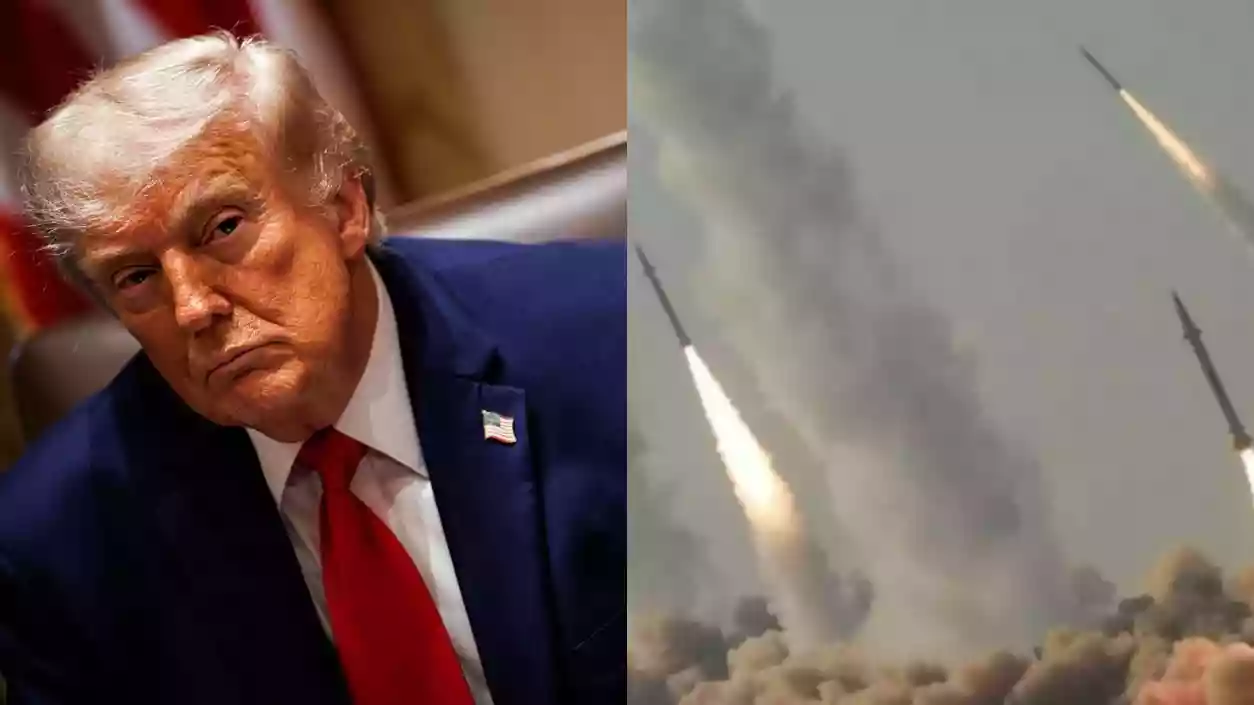
U.S. President Donald Trump stirred fresh controversy by suggesting that the United States “should have put NATO to the test” by invoking Article 5 of the North Atlantic Treaty to address border security challenges. The comment was made in a social media post where Trump framed the idea as a way to compel NATO to assist at the U.S. southern border amid what he describes as an “invasion of illegal immigrants.”
Article 5 is NATO’s cornerstone collective defence clause, which obligates member states to treat an armed attack against any one member as an attack against all. Historically, Article 5 has only been invoked once, by the United States after the September 11, 2001 terror attacks, leading to a broad collective NATO response.
In his post, Trump wrote: “Maybe we should have put NATO to the test: Invoked Article 5, and forced NATO to come here and protect our Southern Border from further invasions of illegal immigrants, thus freeing up large numbers of Border Patrol Agents for other tasks.” His remarks came shortly after he questioned whether NATO allies would “be there for us” with the same commitment the U.S. has shown to the alliance, intensifying longstanding tensions over burden sharing and mutual defence expectations.
The reaction from NATO and its member states has been mixed. NATO Secretary-General Mark Rutte has repeatedly reaffirmed the alliance’s commitment to Article 5, stressing that it remains an “ironclad” guarantee of collective security, including acknowledgements of allies’ sacrifices in past operations. Critics of Trump’s suggestion point out that Article 5 is traditionally confined to responses to military attacks, not immigration or border enforcement, and using it in such a context would be unprecedented and potentially undermine the alliance’s core purpose. With 32 member states currently committed to collective defence, discussions over resource contributions, operational priorities and strategic commitments continue to shape the alliance’s direction amid evolving global security challenges.


.webp)





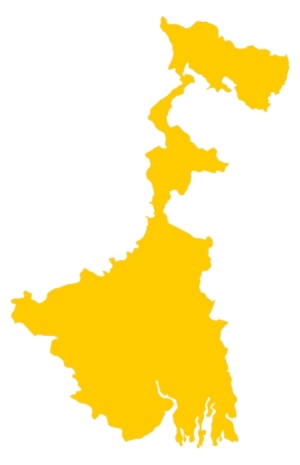 West Bengal
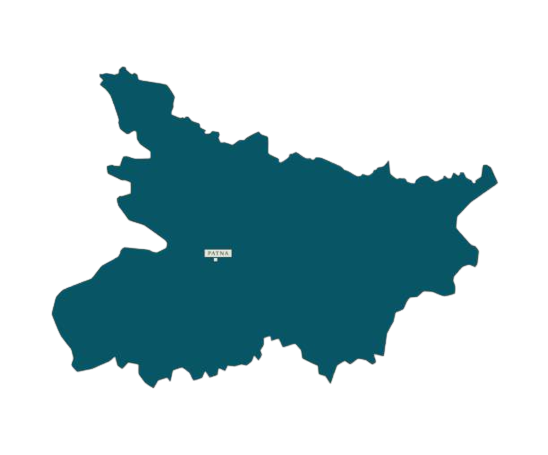 Bihar
Bihar Uttar Pradesh
 Jharkhand